StilaAR: Helping Buyers Imagine Home in Empty Properties
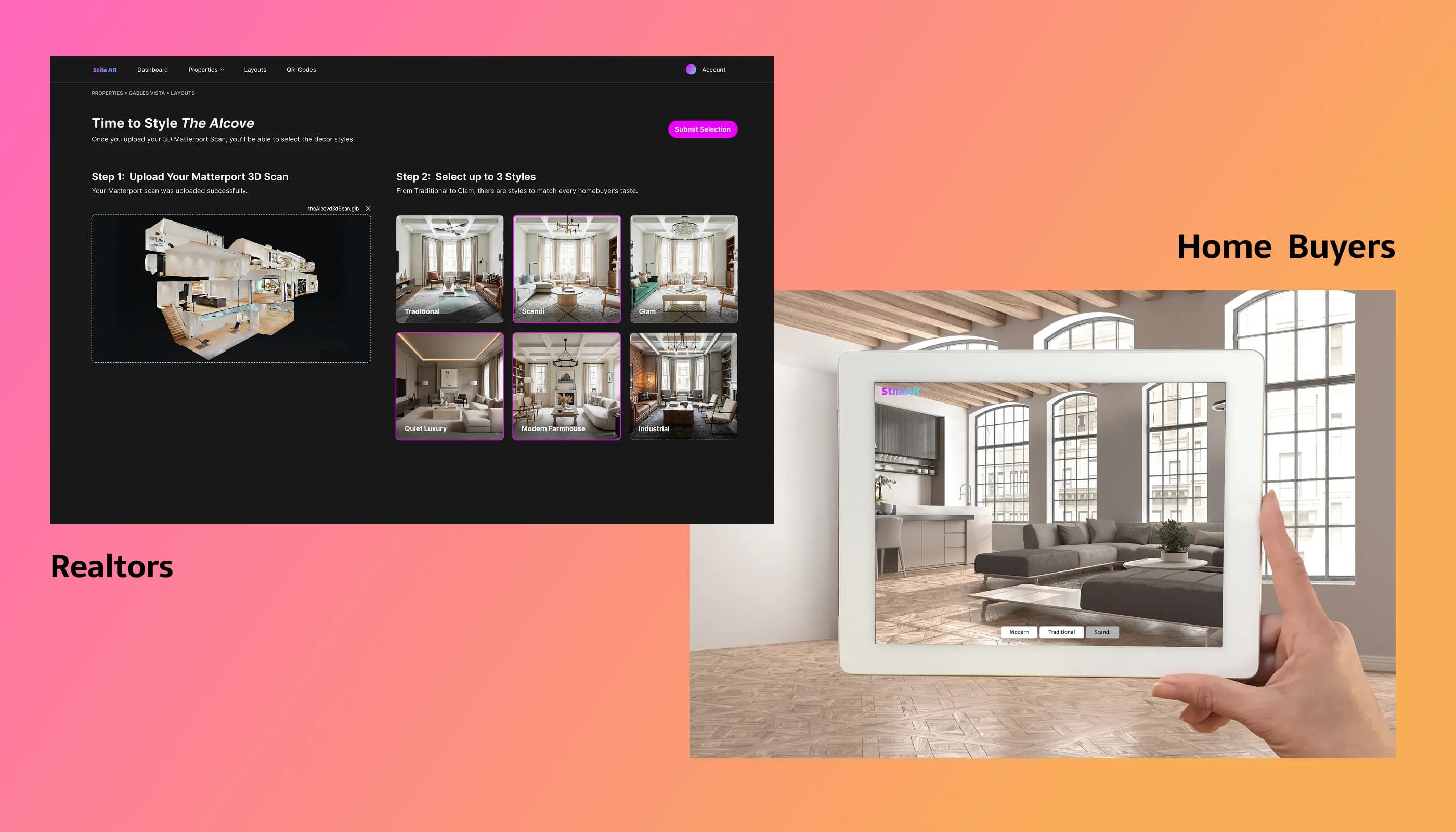
Stila was a startup focused on reimagining home staging through emerging technology. Instead of relying on costly, traditional staging, Stila used 3D scans and Augmented Reality to give buyers an instant, realistic sense of how an empty space could look and feel. The goal was to replace a legacy, manual service with a faster, more efficient, and more affordable solution for developers and realtors.
Problem
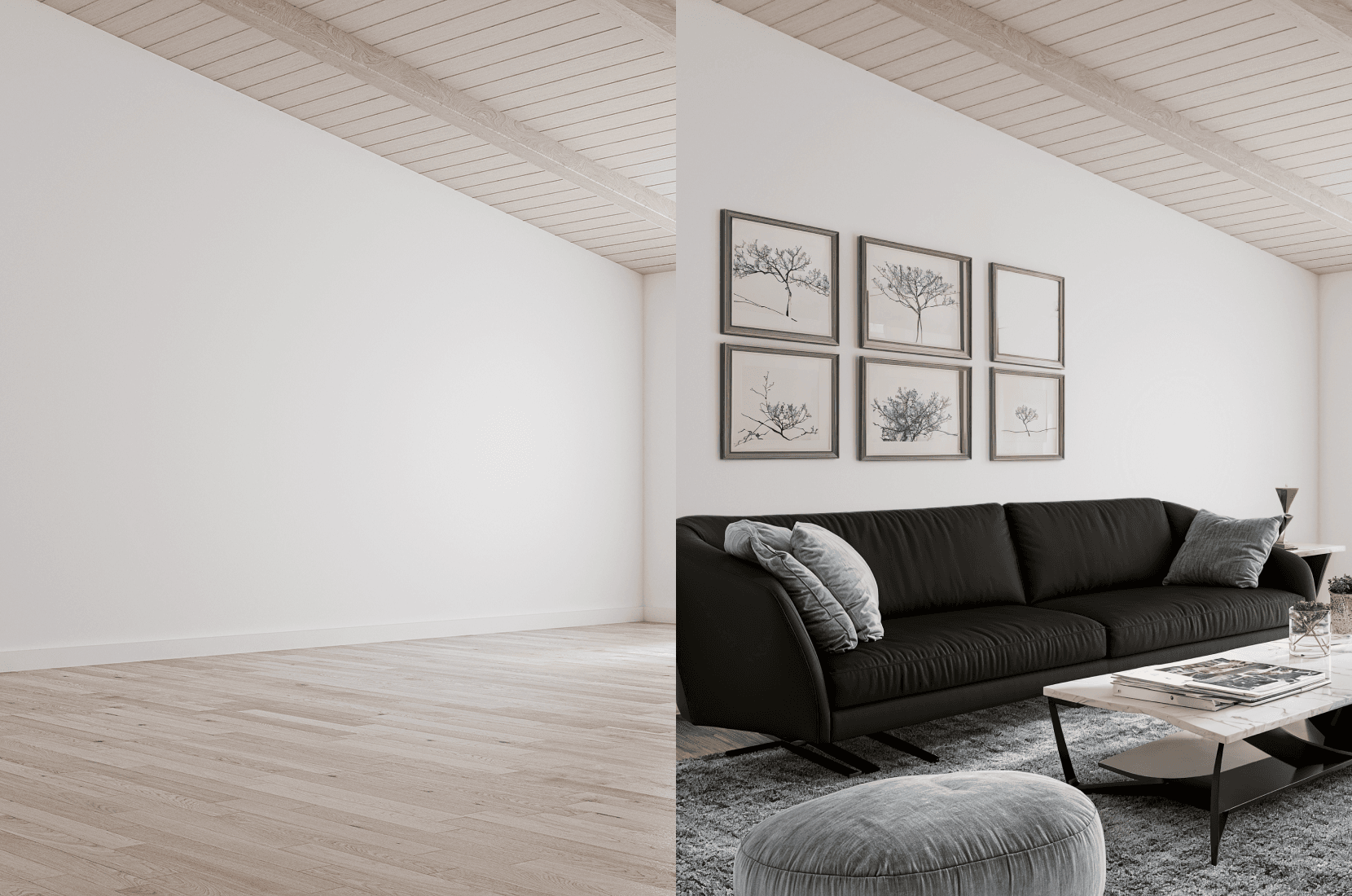
Empty properties are hard to visualize as livable spaces, causing buyer hesitation and requiring costly traditional staging.
Solution
Built an AR app using Unity, ARKit, and Vuforia that lets buyers see furnished, styled homes instantly through their phones — eliminating staging costs while offering multiple design options.
Impact
- Eliminated $2,000-$5,000 per property in traditional staging costs
- Enabled buyers to visualize multiple design styles in a single showing
- Delivered accurate spatial anchoring using Vuforia Area Targets for persistent AR
The Problem: Empty Homes Don't Sell Themselves
Why Augmented Reality?
Static Images Can't Capture the Feeling of Walking Through a Home
The Solution: AR-Powered Home Staging
Value for Realtors:
- Eliminate traditional staging costs (thousands per property)
- Turn empty properties into immersive environments in real time
- Let buyers explore multiple styles to find their taste
- Replace static renderings with dynamic AR walkthroughs
The User Journey: From QR Code to AR Experience
- Realtors send us a 3D scan of the empty property. This gives us the layout and dimensions we need to create a tailored AR experience.
- Stila furnishes the virtual home using curated furniture sets in one or more styles. These furnishings are placed to fit the actual rooms, not just in size, but in mood and feel.
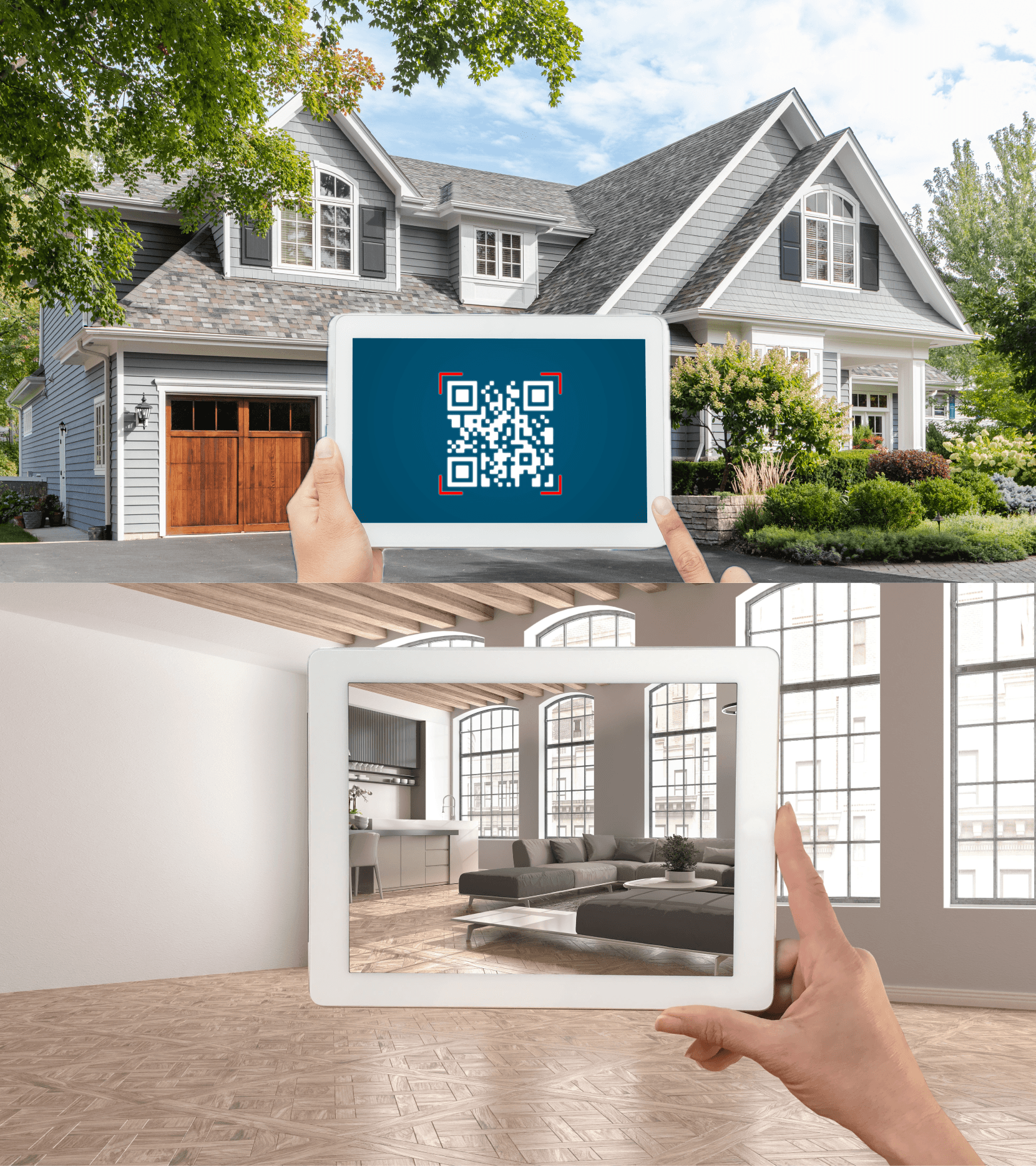
- Realtors place a QR code (provided by Stila) at the entrance of the property. This acts as a simple anchor, no setup or tech expertise needed.
- Buyers arrive, download the app, and scan the code. Instantly, the empty rooms are transformed into fully styled interiors through augmented reality.
- Buyers can explore the home in real time, walk through each room, and even swap between different furnishing styles to see what feels right.
Technical Architecture: How It Works Behind the Scenes
QR Code Mapping:
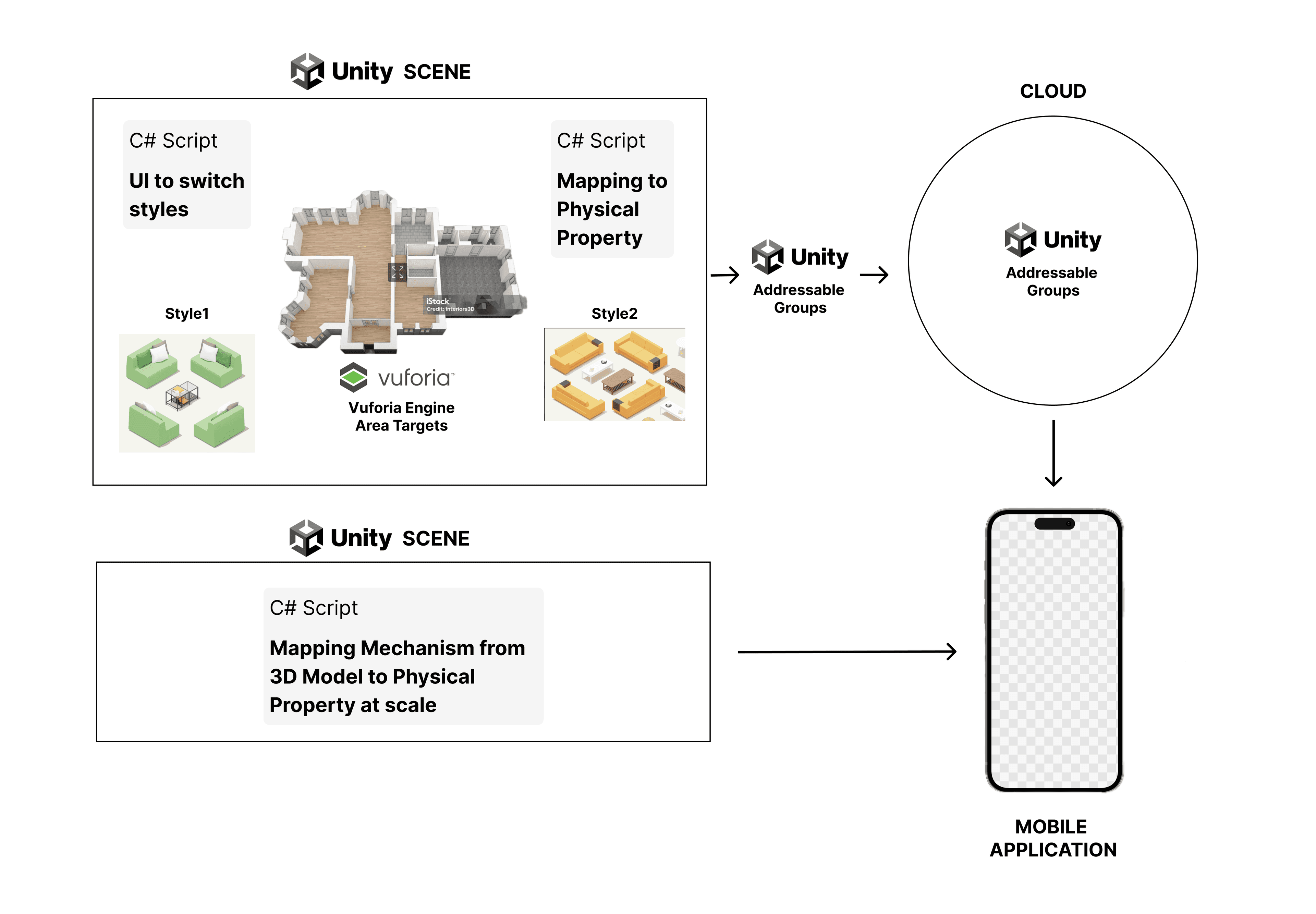
- Each property has a printed QR code that maps to a unique property ID. When scanned, the app fetches metadata about the property and associated asset bundles stored in the cloud.
Cloud Asset Management:
- All 3D scans and furniture groupings are organized as Addressable asset bundles. These are stored using Unity Cloud Content Delivery and loaded at runtime based on the property ID.
Spatial Recognition with Vuforia Area Targets:
- Vuforia uses an area target generated from the property's 3D scan to recognize the real-world environment. This enables accurate spatial anchoring, placing virtual furniture in the same positions as originally mapped in the scan.
Runtime Scene Assembly:
- At runtime, Unity loads the correct furniture layout and uses Vuforia's area targets to anchor each object precisely where it was placed in the original 3D scan.
Cloud-Based, Modular Delivery:
- All property mappings and furniture styles are hosted in the cloud. The app dynamically pulls only the required asset bundles per session, no app updates needed, making the system lightweight, scalable, and easy to maintain.
UX Design: Minimal Interface, Maximum Immersion
Letting the Space Take Center Stage
Instant Onboarding:
- Users open the app and scan a QR code, no setup, no menus. The correct property is loaded automatically.
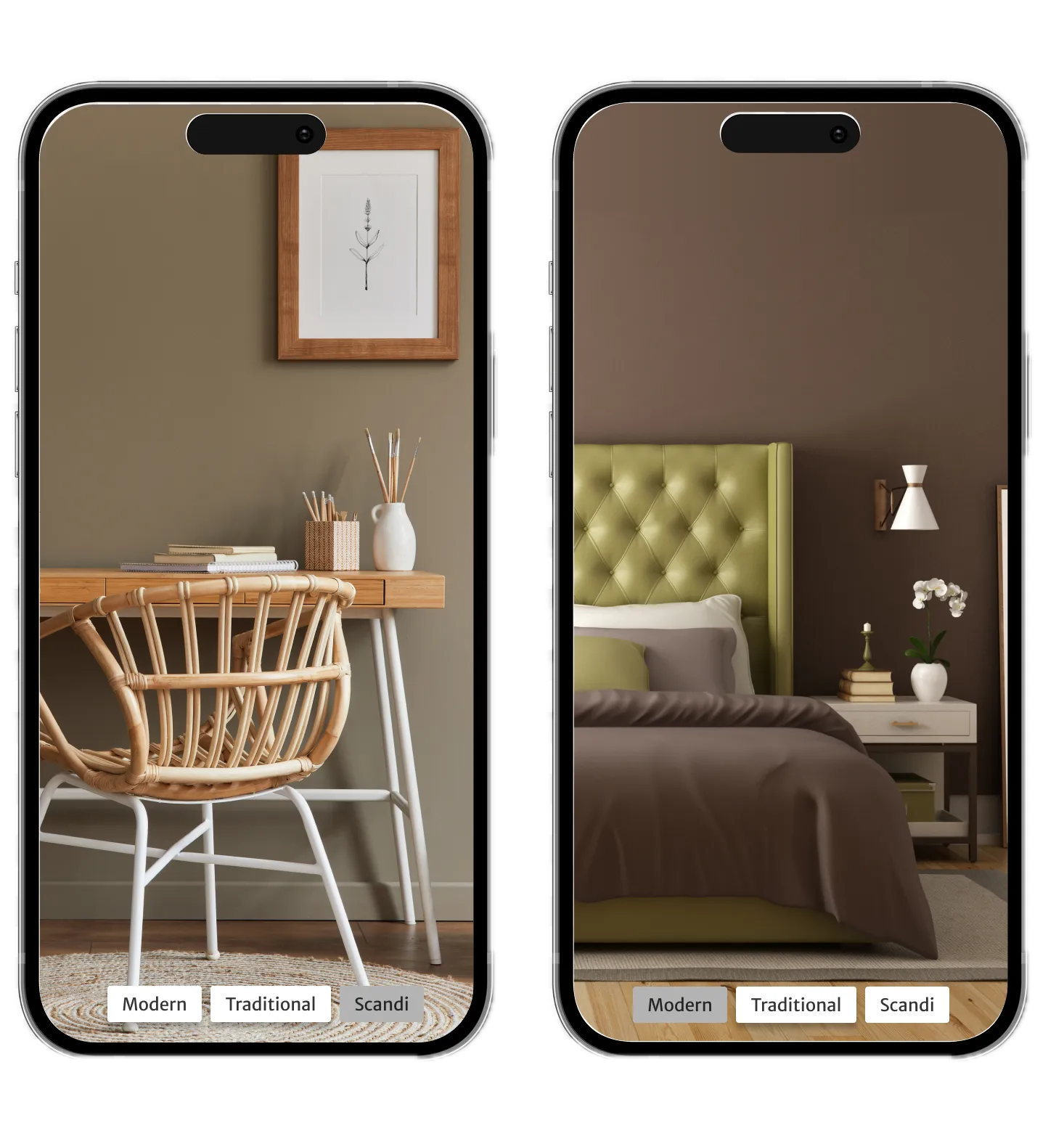
Style Switching, Simplified:
- A single, unobtrusive toggle lets users switch between furniture styles in real time, revealing different looks without interrupting the experience.
Realtor Portal: From Scan to Showcase
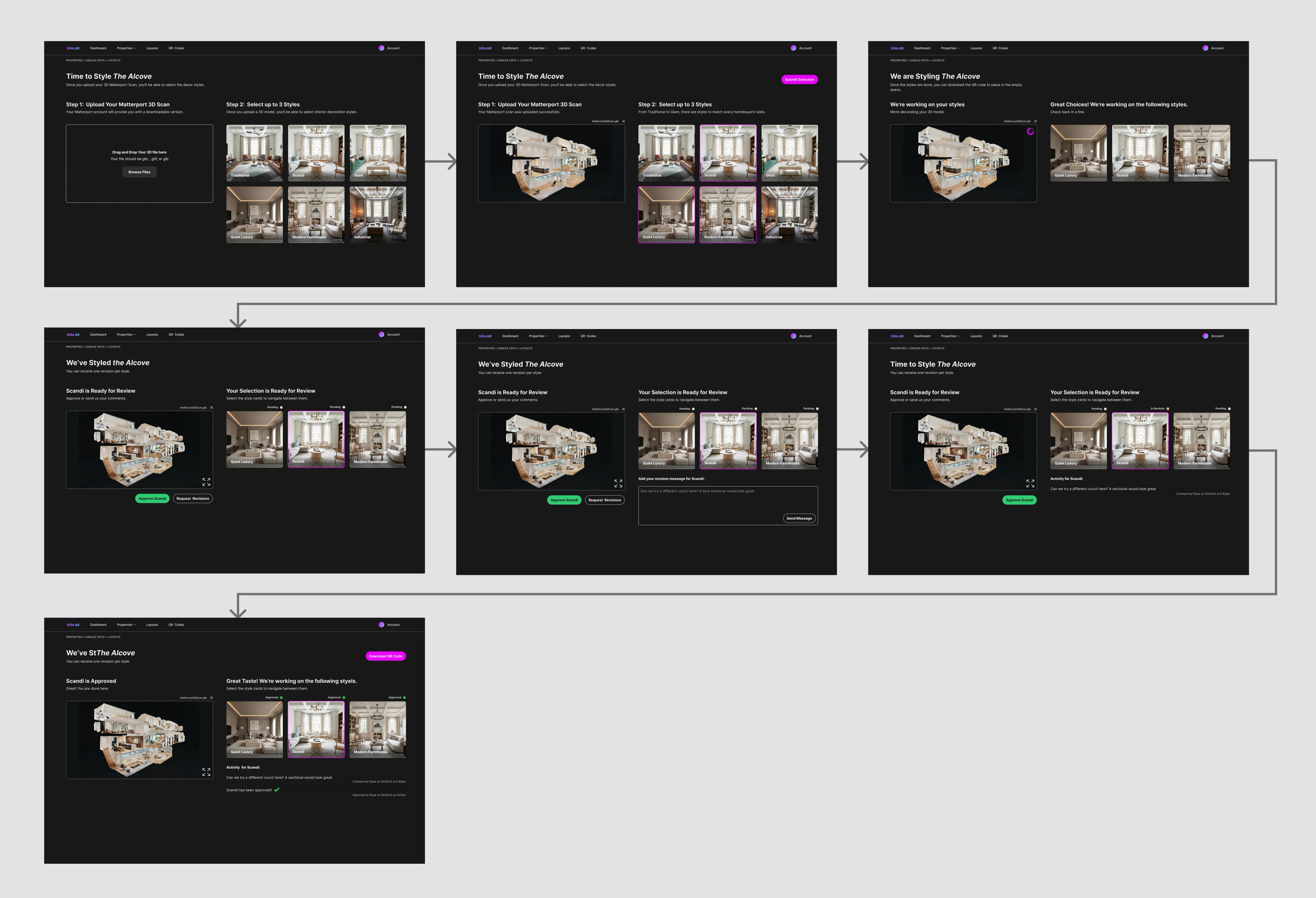
Easy Setup:
- Realtors add a property, upload the 3D scan, and choose up to three decor styles, all in one streamlined flow.
Ready for Buyers:
- With a single click, the system generates QR codes and assets, making the AR experience instantly shareable for showings and open houses.
Anchoring AR Is Hard — But Worth It
Designing Stila meant diving deep into the nuances of spatial computing, especially the challenge of persistent AR that aligns virtual content with real-world environments. We explored several approaches to anchoring content, from custom mapping to platform-native solutions, and ultimately found Vuforia's Area Targets to be the most accessible and reliable option for indoor use. AR is easy when content can be placed anywhere. It gets harder and more interesting when anchoring that content meaningfully within physical space. Indoors, where GPS is unreliable and lighting varies, those challenges become even more pronounced. This is still an emerging space with plenty of friction points to solve. But with the right tools and a grounded use case, we proved it's possible to deliver a smooth, high-impact AR experience where it matters most.